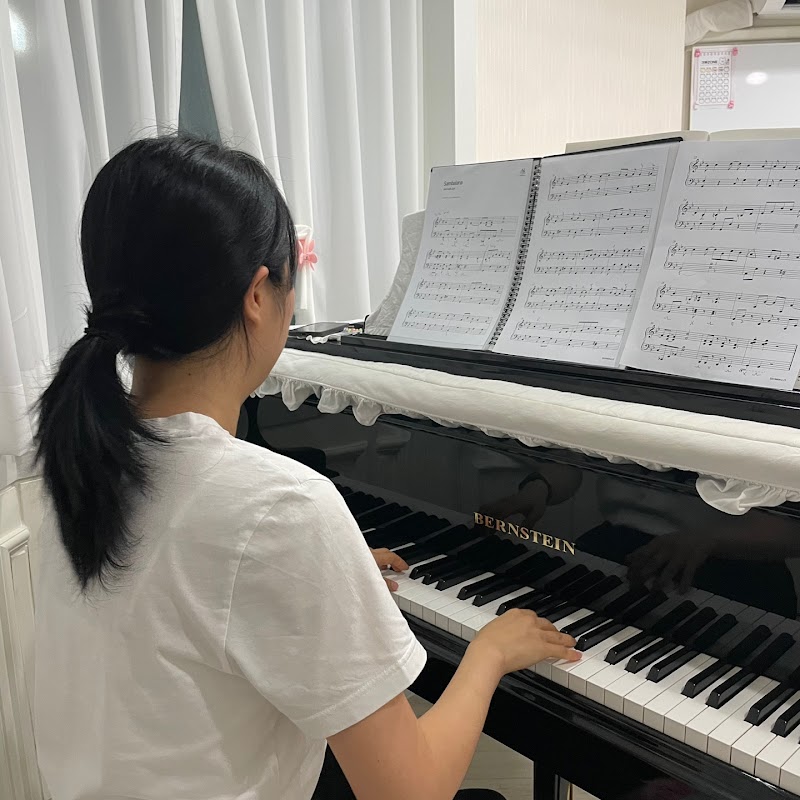
As the cool February air settles in, there's a noticeable shift in how we approach learning music. The world of piano playing is undergoing a fascinating transformation, driven by remarkable digital integration. This isn't just about new gadgets; it's a fundamental change in making the profound joy of creating music more accessible to everyone, regardless of their background or perceived skill level. It's a new era for aspiring pianists.
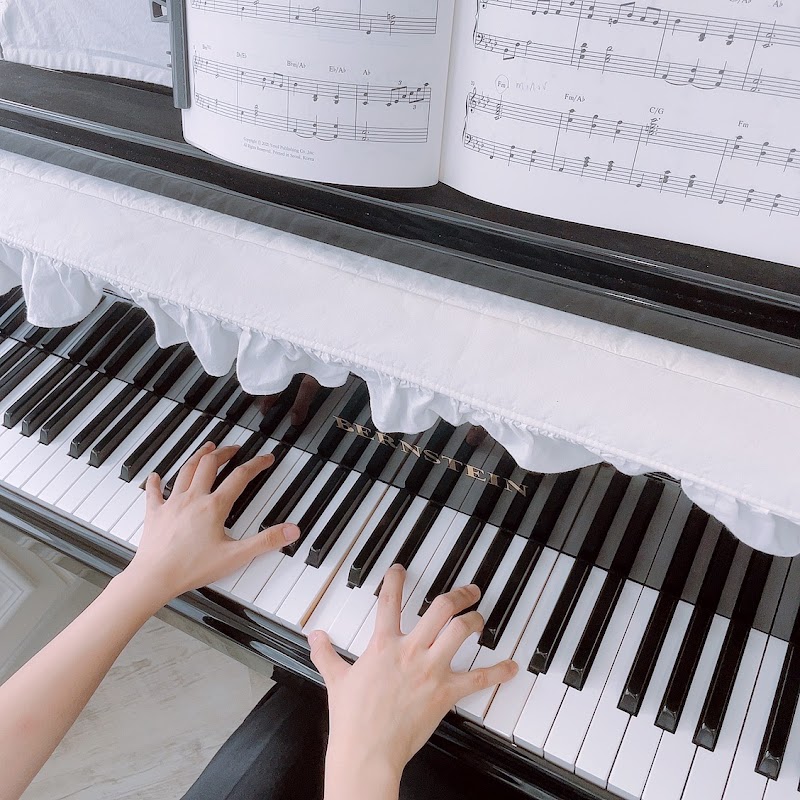
Accessibility in music extends beyond the instrument itself. It's about breaking down mental barriers. For instance, many people hear the word “jazz” and immediately think of complex, intimidating compositions. This perception can discourage them before they even touch the keys. The real key to accessibility is changing this mindset, showing that any musical style, even one as rich as jazz, can have a welcoming entry point for beginners.

Imagine the delight of playing a song you've hummed your entire life, but with a fresh, jazzy twist. This is where the magic begins. By arranging familiar, beloved melodies into accessible jazz pieces, the journey becomes less about deciphering a foreign language and more about rediscovering an old friend. It transforms the learning process from a chore into an exciting exploration of new sounds on a familiar path, making the piano feel instantly more personal.
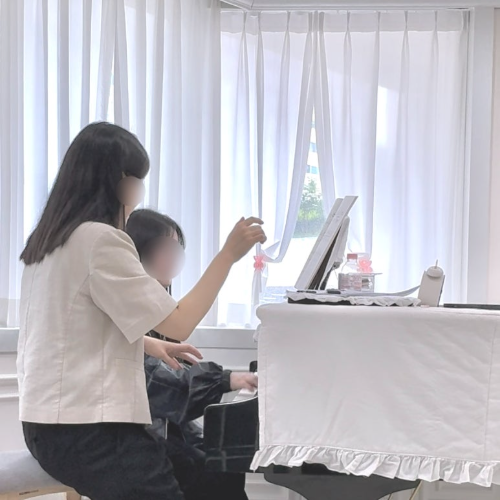
Picture yourself seated at a beautiful piano, your hands hovering over the keys. The sheet music in front of you isn't an abstract puzzle but a gateway to a melody that already lives in your heart. This tangible connection—the gentle weight of the keys under your fingertips, the rich sound filling the room—is a powerful motivator. It’s a personal experience, a quiet dialogue between you and the instrument, where progress is measured in moments of pure enjoyment.
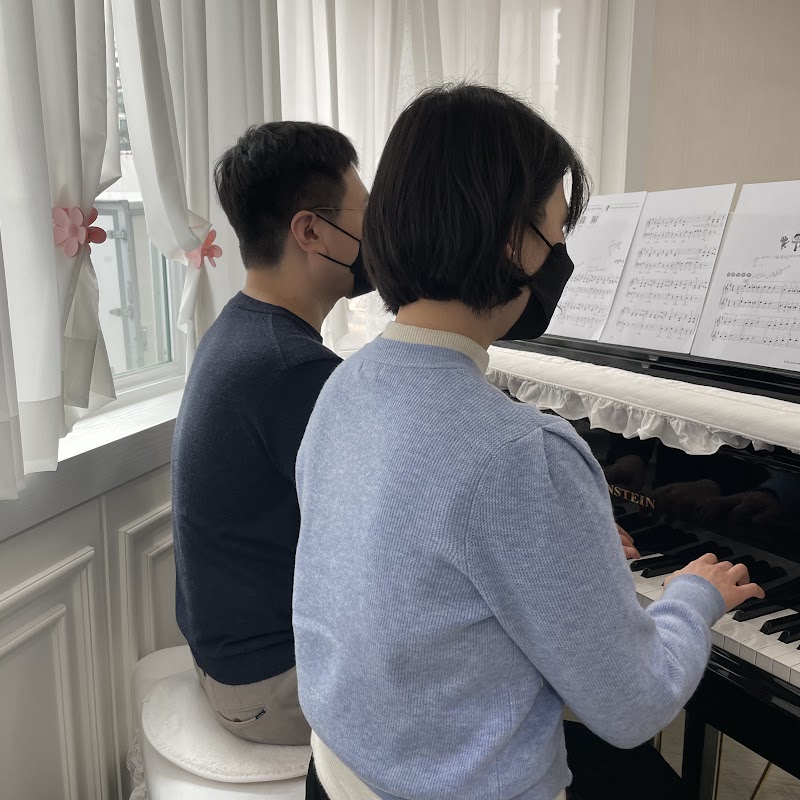
This is where modern trends like the rise of hybrid pianos play a supportive role. These instruments offer the best of both worlds, combining the authentic touch of acoustic keys with the flexibility of digital technology. The ability to practice silently with headphones or record your progress provides a private, pressure-free environment. This digital integration empowers learners to experiment and grow at their own pace, making the path to proficiency smoother and more enjoyable.
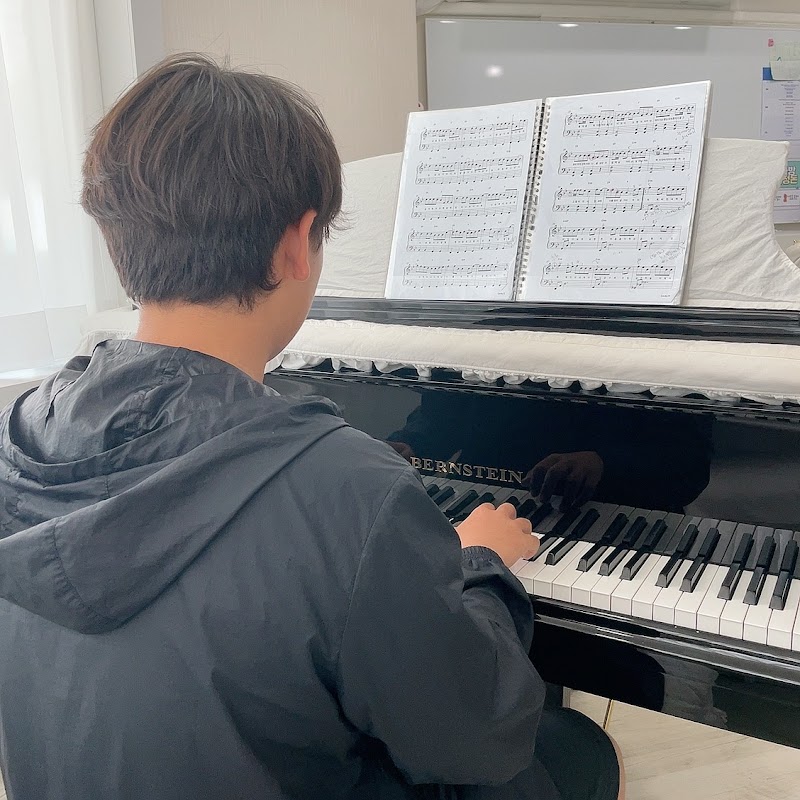
Yet, for all the advantages of digital innovation, the soul-stirring resonance of a traditional acoustic piano remains a unique experience. The way the sound vibrates through the wooden frame and fills the space is something technology strives to replicate but can never fully replace. The students we see find deep satisfaction in the pure, unamplified sound, a direct result of their own touch. This timeless appeal is a core part of the piano's enduring magic.

Ultimately, whether you're playing on a state-of-the-art hybrid or a classic acoustic grand, the instrument is just one part of the equation. The educational approach is what truly unlocks a student's potential. A supportive guide who understands how to build confidence is essential. By focusing on what is known, we can gently introduce new concepts, ensuring the student feels capable and inspired every step of the way, fostering a genuine love for the piano.
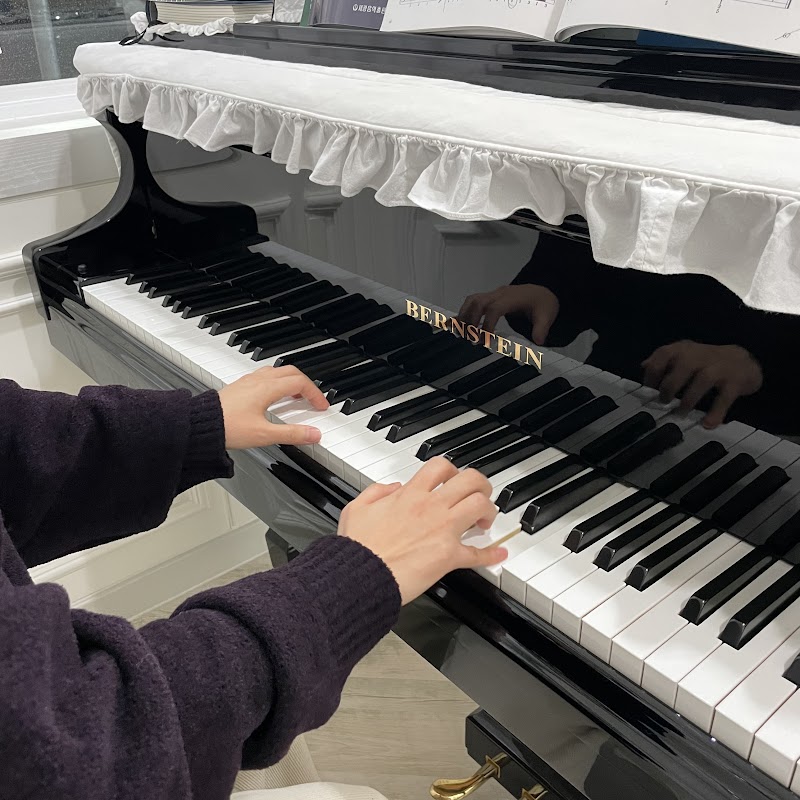
We've seen this transformation firsthand at Sangsang Piano USA. A student might come in, convinced they could never play jazz. But when we start with a simple, recognizable tune and show them how to add a little swing or a colorful chord, a look of surprise and delight dawns on their face. That “aha” moment, when they realize they *are* playing jazz, is incredibly rewarding. It’s about demystifying the genre and making it fun.
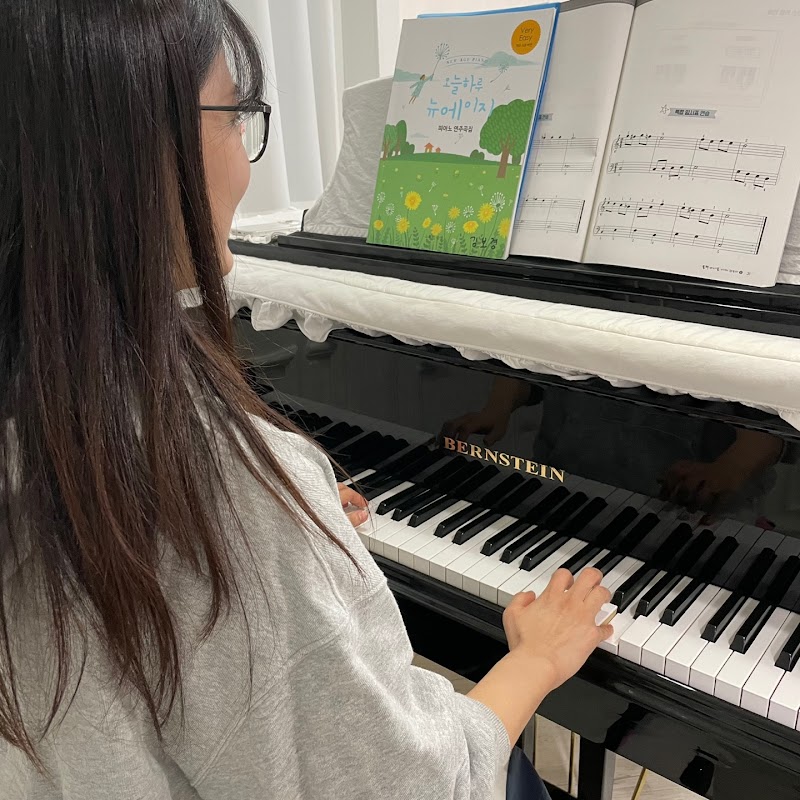
This principle of starting with the familiar applies to all music. The goal is to build a strong, personal connection to the piano. It’s an instrument of immense expressive power, capable of conveying any emotion or style you can imagine. The focus should always be on nurturing that individual voice and finding the joy in the journey, one beautifully arranged song at a time. It’s about making the piano a lifelong companion.
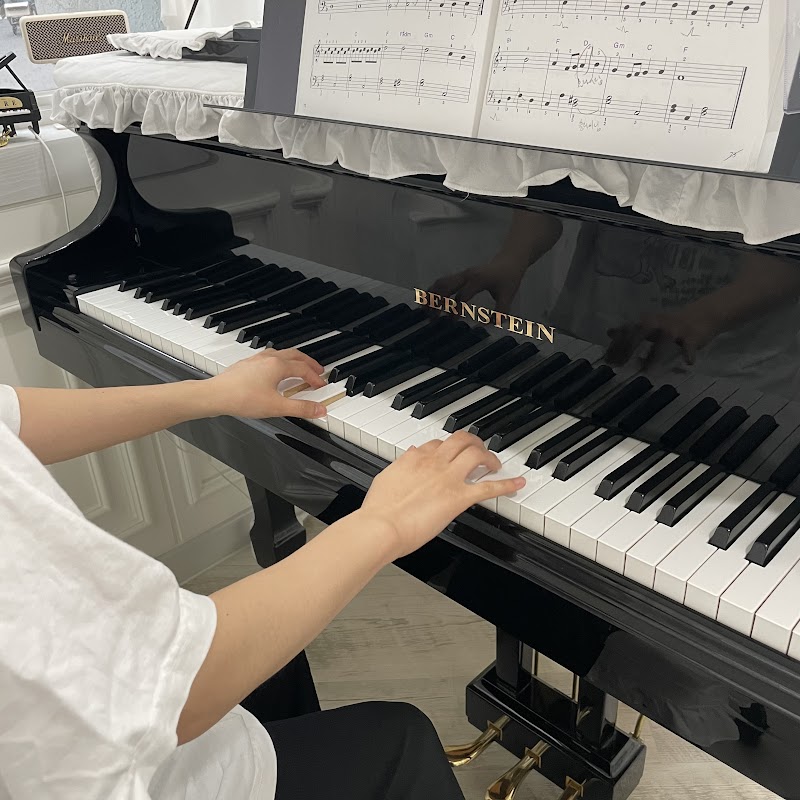
As we look ahead in 2026, the future of piano education is bright and inclusive. The convergence of accessible teaching philosophies and innovative instrument technology is removing old barriers. The focus is shifting from rigid tradition to personal fulfillment, inviting more people than ever to sit down, play, and discover the incredible world of music that awaits at their fingertips. The journey is yours to begin.