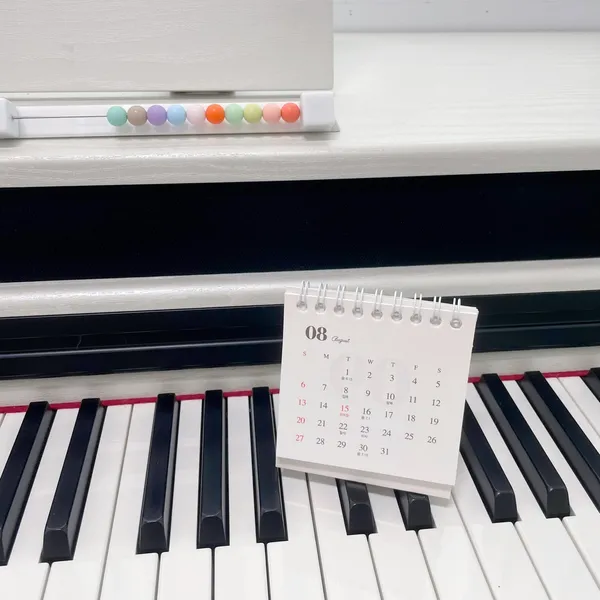
The February chill of 2026 has me spending more time indoors, which is always a great excuse to sit at the piano. Looking at the calendar on my keyboard, I'm reminded of all the musical ideas I want to bring to life this year. Each day is an opportunity to explore a new chord progression or a fresh take on a classic melody. It’s this quiet, focused time that fuels my creativity.
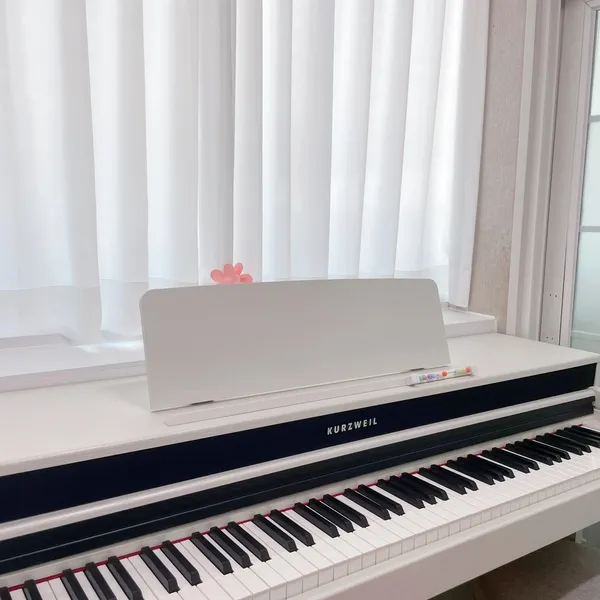
Lately, I've been thinking a lot about how we access music. There’s a noticeable shift happening, with digital pianos becoming a central part of so many homes. Their accessibility in terms of space and cost is breaking down old barriers. The sleek design of a modern digital keyboard, fitting perfectly in a bright room, invites you to play anytime inspiration strikes.
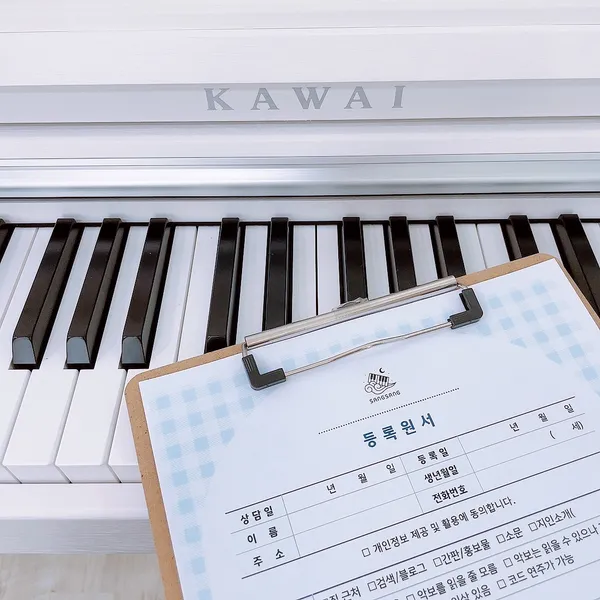
As someone who loves to deconstruct and rearrange music, this digital wave is incredibly exciting. It’s transformed my workflow, especially for creating jazz arrangements of familiar songs. The ability to quickly layer sounds, experiment with rhythms, and notate ideas on the fly means I can make jazz feel more approachable and fun for a wider audience, which is my ultimate goal.
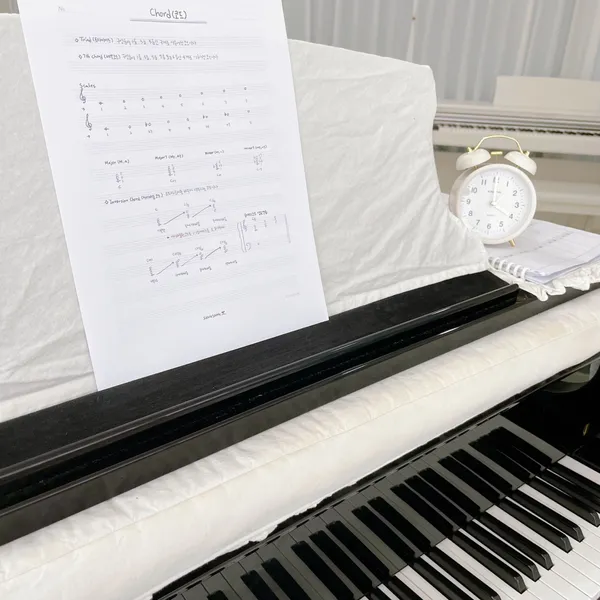
The debate between paper sheet music and digital screens is a common one in my community. While I adore the tangible feel of a printed score, the convenience of a tablet is undeniable. Having my entire library organized and easily editable has been a game-changer for creating content across different platforms. It streamlines the process from arrangement to final performance video.
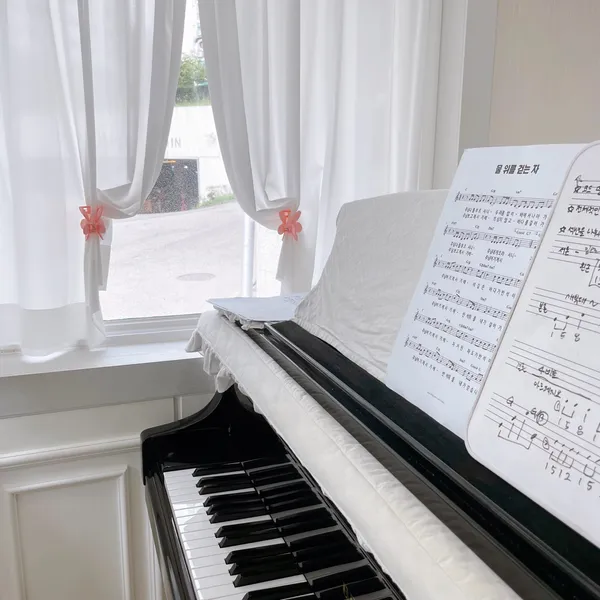
Beyond logistics, digital tools can be a fantastic creative partner. For those dipping their toes into jazz, features like built-in rhythm tracks or different keyboard voices can make practicing scales and improvisation less intimidating. It turns practice into play, encouraging the kind of experimentation that is the very heart and soul of jazz music. It’s a modern path to an old art form.
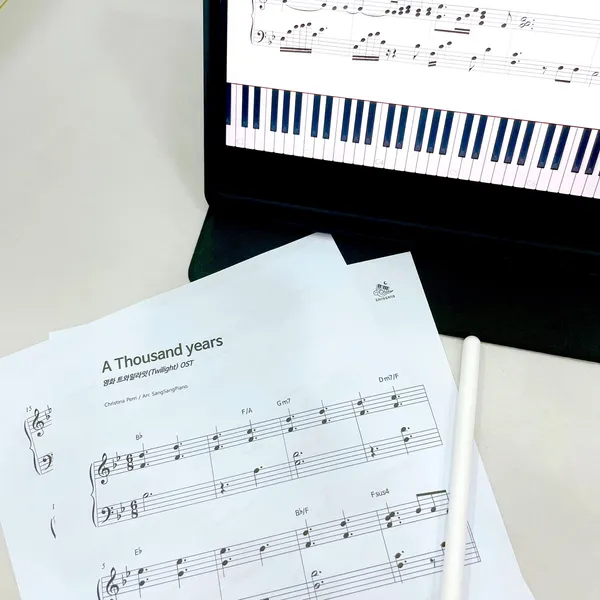
This digital connection extends beyond my own studio. It’s about building a global community of music lovers. When I share a new arrangement, I get to see people from all walks of life learning it. Some are signing up for workshops, others are just sharing their progress. This constant dialogue and feedback loop is what makes being a creator so rewarding and keeps the music alive.
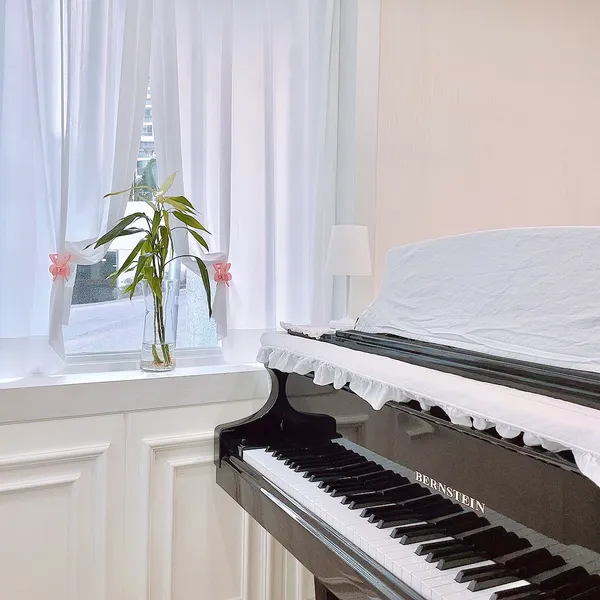
Of course, nothing can truly replicate the resonant soul of a well-maintained acoustic piano. I still turn to my acoustic instrument for its organic touch and rich tonal depth. The conversation isn't about digital versus acoustic; it’s about "and." The modern musician can and should embrace both, using each for its unique strengths to broaden their musical expression.
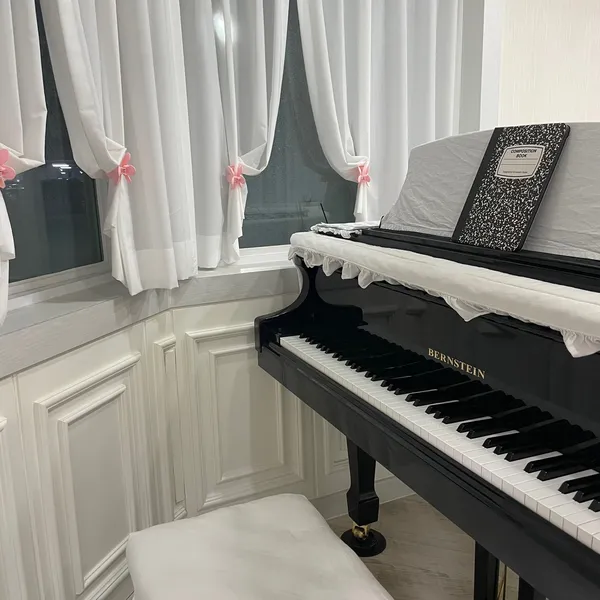
My creative process often begins away from the keys, with an idea scribbled in a notebook. From there, I move to the piano to flesh out the harmony and melody, creating custom sheet music that is both clear and expressive. At Sangsang Piano USA, the philosophy is to blend genres, infusing pop, classical, or movie themes with a touch of jazz to create something new yet recognizable.
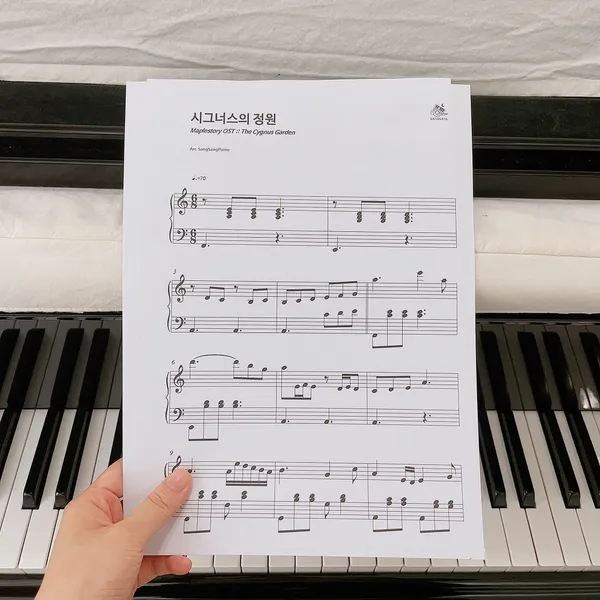
If you're starting your journey, my advice is simple: find what inspires you to sit down and play. Don't get caught up in having the "right" equipment. Whether it's a grand piano or a simple 61-key keyboard, the most important thing is your connection to the music. The goal is to make sound, explore, and enjoy the process of learning and creating every single day.
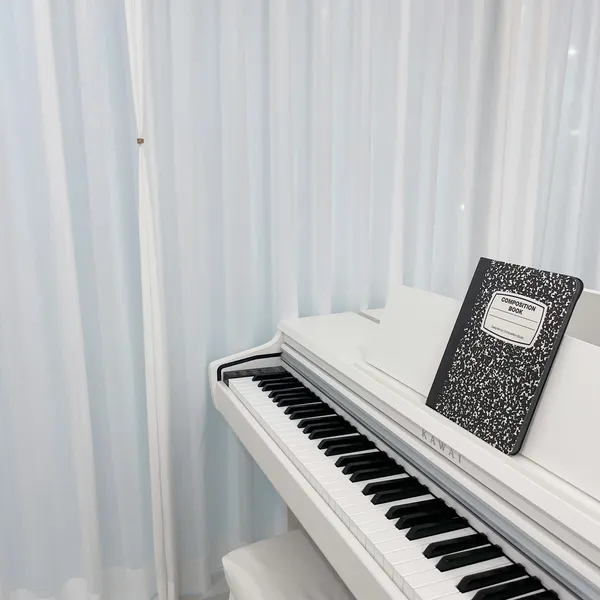
As we move forward, the world of piano playing is becoming more inclusive and dynamic than ever. Technology is not a threat to tradition but a bridge to it, allowing more people to experience the joy of making music. It’s about sharing that passion, arranging a favorite tune in a new way, and connecting with others through the universal language of those 88 keys.